2026 | April 06
From Diesel to Electric: How Large Fleets Are Transitioning to Sustainable Mobility
How large fleets transition from diesel to electric through infrastructure, planning, and disciplined operations.
The transition from diesel-powered fleets to electric mobility is reshaping transport systems across India. Rising fuel costs, evolving emission norms, and growing environmental responsibility are accelerating the shift toward cleaner alternatives. For large fleet operators, however, electrification is not just a vehicle upgrade. It is a structural transformation that affects infrastructure, operations, workforce readiness, and long-term planning. Moving from diesel to electric requires careful integration into existing transport ecosystems. For operators managing hundreds or thousands of vehicles, the transition must be executed without disrupting service reliability. The real challenge lies not in procurement, but in operational adaptation.
Why the Shift to Electric Mobility Is Accelerating
Government policies promoting low-emission transport have created a strong foundation for fleet electrification. Urban authorities are encouraging electric vehicle deployment through structured tenders and long-term contracts. At the same time, organisations are seeking more sustainable transport models to reduce their environmental footprint. Diesel fleets, while reliable, face increasing fuel price volatility and regulatory pressure. Electric fleets provide a pathway toward predictable operational costs and reduced emissions. However, scaling electric mobility requires disciplined execution beyond environmental intent.
Infrastructure Readiness: The Foundation of EV Fleets
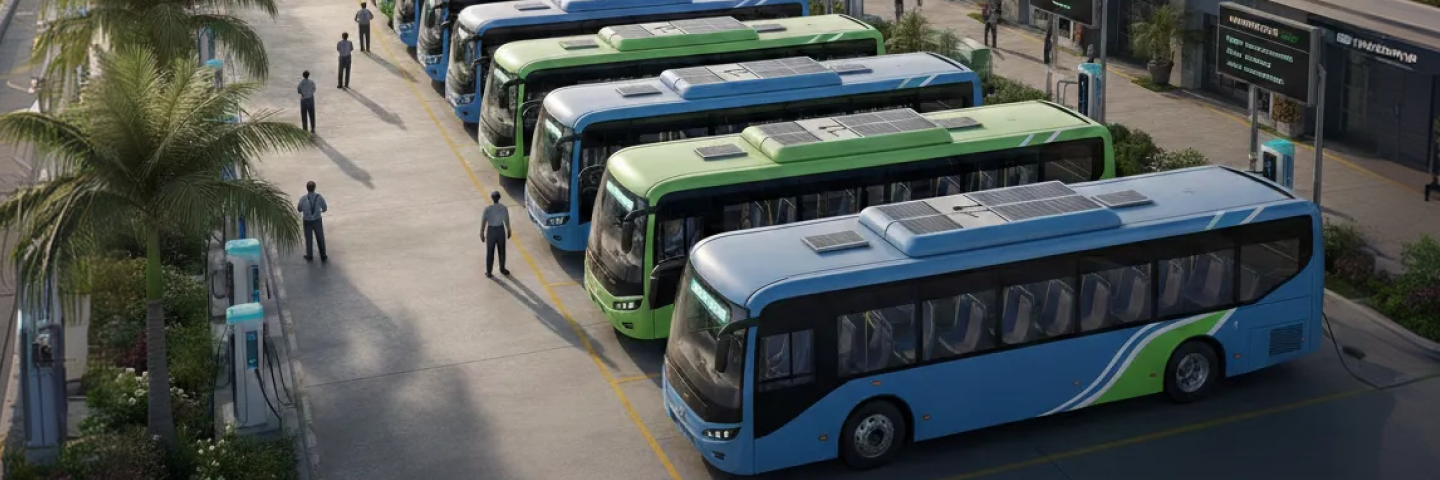
Electric fleet deployment begins at the depot. Unlike diesel vehicles that rely on established refuelling networks, electric vehicles depend on structured charging infrastructure. Depot layouts must accommodate charging stations, load management systems, and safety protocols.
Power availability becomes a planning variable. Charging cycles must align with route schedules to ensure vehicles are ready for deployment. Operators must decide between overnight charging models or opportunity charging during operational gaps. Poor infrastructure planning can create bottlenecks, directly affecting service punctuality.
Operational Shifts in Route and Range Planning
Range management is one of the most important adjustments when transitioning to electric fleets. Diesel vehicles offer operational flexibility, while electric vehicles require careful route allocation based on battery performance. Daily kilometre commitments, terrain conditions, passenger load, and turnaround time all influence route planning. Fleet managers must monitor range utilisation closely to prevent mid-route disruptions. This shifts route allocation from a static plan to a dynamic operational strategy.
Key Operational Areas During EV Transition
- Depot & Charging Coordination: Charging infrastructure must match fleet size and route frequency. Load balancing systems and backup power planning ensure smooth daily operations without congestion.
- Preventive Maintenance & Battery Monitoring: Electric fleets require continuous battery health monitoring and software diagnostics. Preventive maintenance becomes data-driven rather than reactive.
- Driver & Technician Training: Drivers are trained on regenerative braking and energy-efficient driving behaviour. Maintenance teams adapt to high-voltage systems and electronic diagnostics.
- Centralised Fleet Monitoring: Digital dashboards track battery performance, energy usage, and operational uptime. Real-time insights support predictive maintenance and long-term cost control.
Managing Multi-City Electric Operations
Scaling electric fleets across multiple cities introduces complexity. Standard operating procedures must remain consistent across regions. Centralised control systems enable unified oversight, ensuring safety and compliance standards are maintained regardless of location.
Financial and Long-Term Sustainability Considerations
While electric vehicles can reduce fuel dependency and stabilise long-term operational costs, initial capital investment remains significant. Structured contracts, disciplined asset management, and lifecycle planning help balance financial viability with sustainability goals.
Operators must align electrification strategies with realistic timelines. Gradual scaling allows performance evaluation and infrastructure refinement before full expansion.
The shift from diesel to electric fleets represents more than environmental progress. It demands infrastructure planning, operational discipline, skilled workforce adaptation, and technology integration. For large fleet operators, success lies in structured execution.
Sustainable mobility is not defined by the number of electric vehicles deployed. It is defined by how seamlessly those vehicles are integrated into reliable transport systems. When infrastructure, people, and processes align, electric fleets become both environmentally responsible and operationally dependable.
FAQs
-
What is the biggest challenge in transitioning large fleets to electric?
Infrastructure readiness, including charging capacity and route planning, is often the most complex aspect of large-scale electrification.
-
How does EV maintenance differ from diesel fleets?
Electric vehicles have fewer mechanical components but require specialised battery monitoring and software diagnostics.
-
Can electric fleets support long urban routes?
Yes. With structured charging schedules and careful route optimisation, electric fleets can reliably manage both urban and intercity routes.
 Share
Share